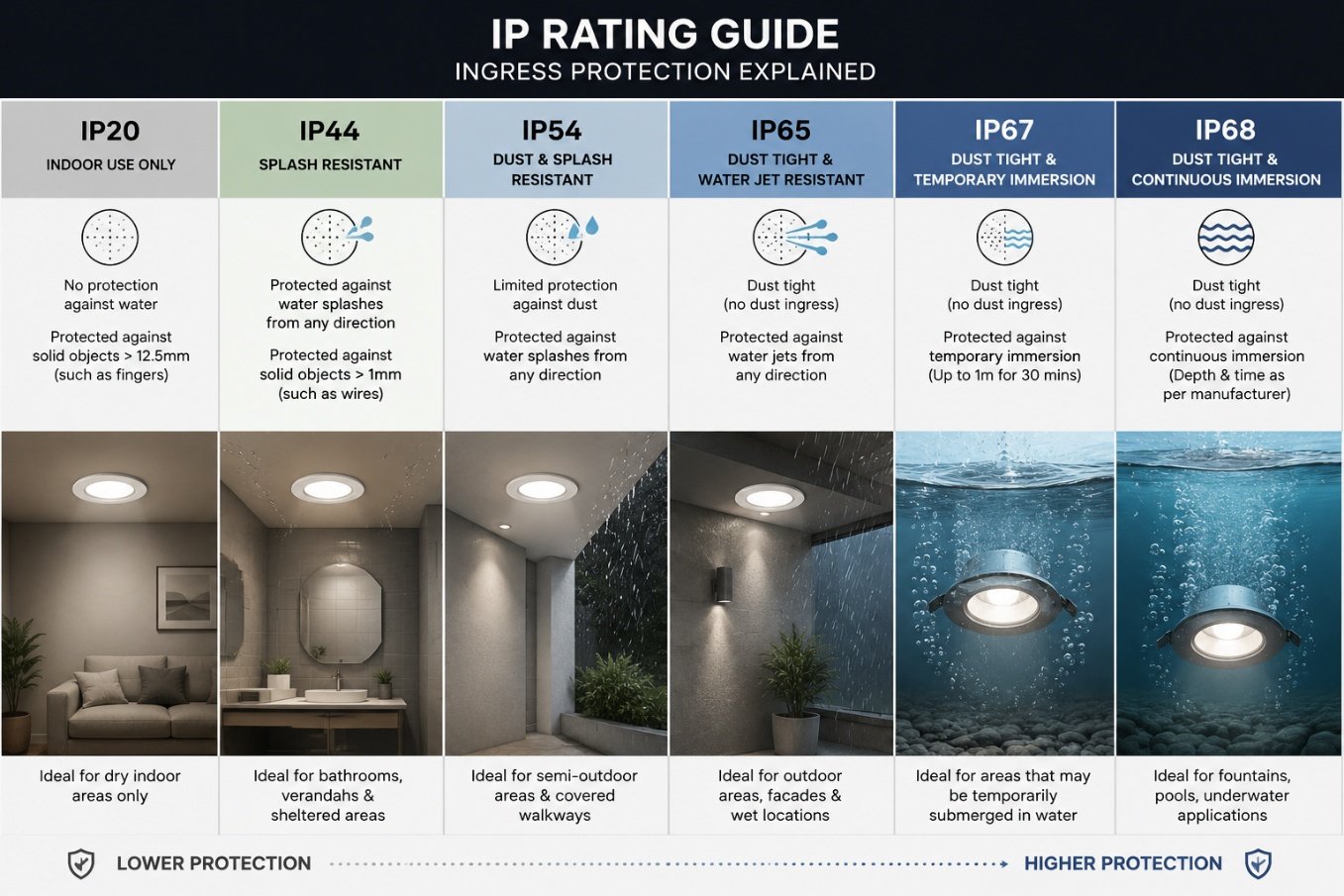
An IP (Ingress Protection) rating indicates how effectively a lighting fixture is protected against external elements such as dust, solid particles, and water. It helps determine whether a fixture is suitable for a particular environment by showing the level of protection it provides against conditions that could affect its safety, performance, and lifespan.
The IP code consists of two numbers, with each digit representing a different type of protection. The first digit indicates resistance to solid objects, including dust and dirt, while the second digit represents protection against water, such as splashes, sprays, and moisture. In general, a higher IP rating provides stronger protection. For example, an IP65 rating offers greater resistance to dust and water than an IP44 rating, making it better suited to more exposed environments.
Choosing the correct IP rating is an important part of lighting design because every space has different environmental conditions. Fixtures installed in dry indoor areas may require less protection than lighting used in bathrooms, kitchens, outdoor areas, or locations exposed to changing weather. Selecting the appropriate IP rating helps reduce the risk of moisture and dust damage while improving safety, reliability, and long-term performance.
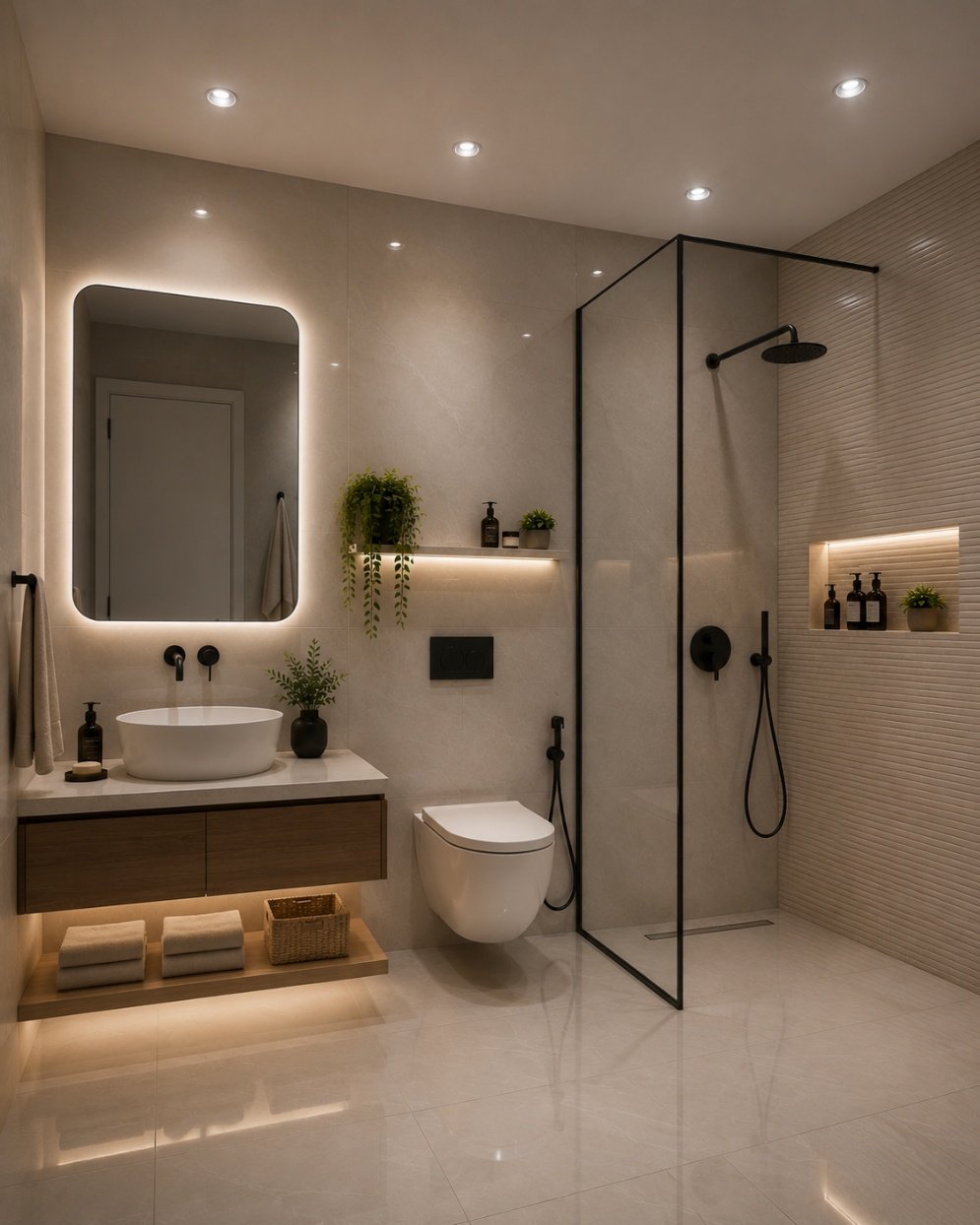
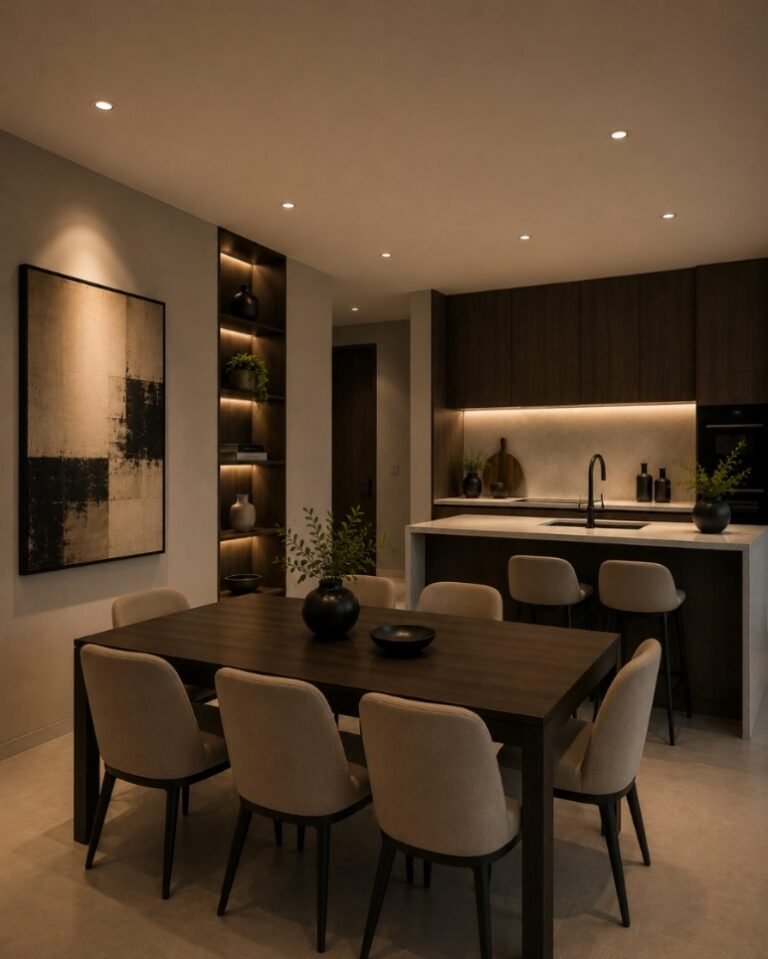
For indoor applications, Recessed lights provide a clean appearance and dependable illumination while blending neatly into the ceiling. In areas such as bathrooms and kitchens, choosing recessed fixtures with suitable IP protection helps maintain reliable performance where humidity, moisture, or occasional water exposure may be present.
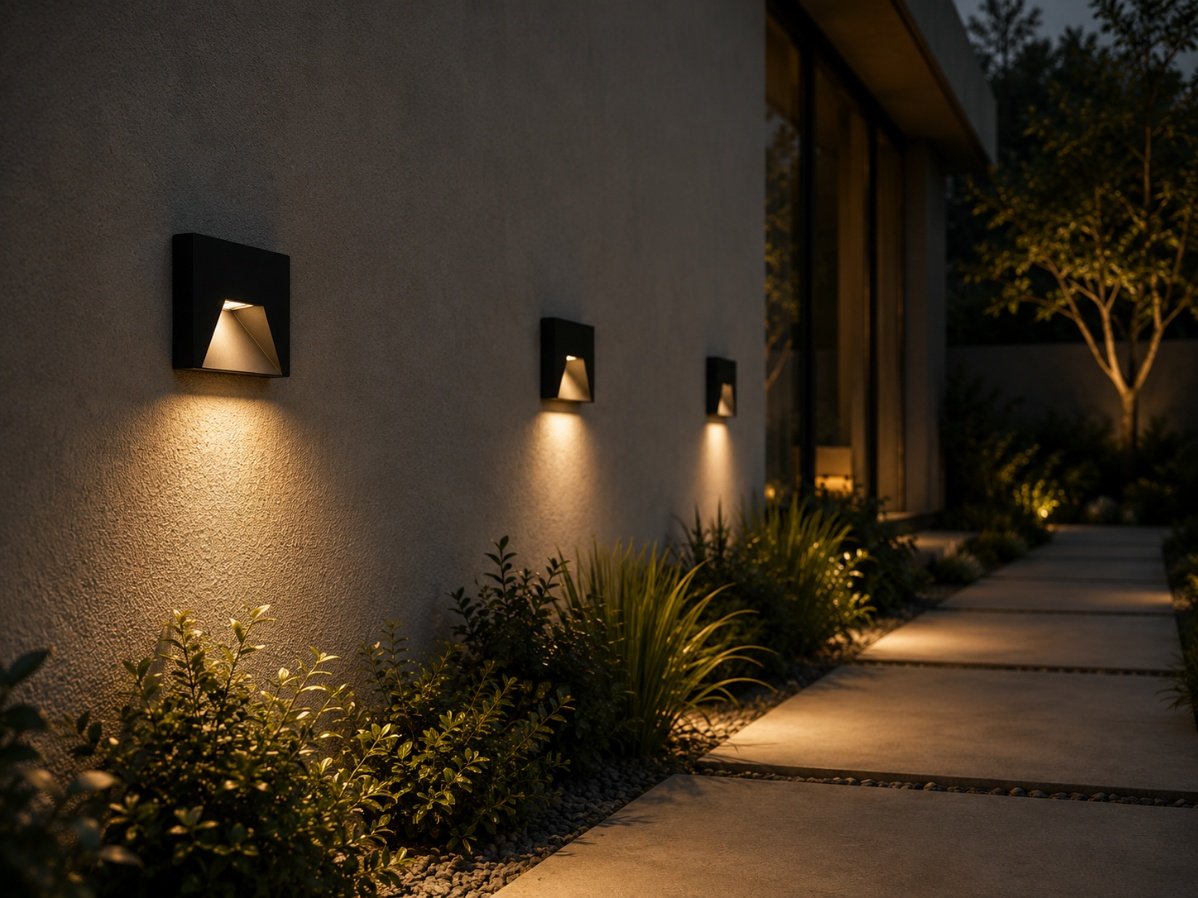
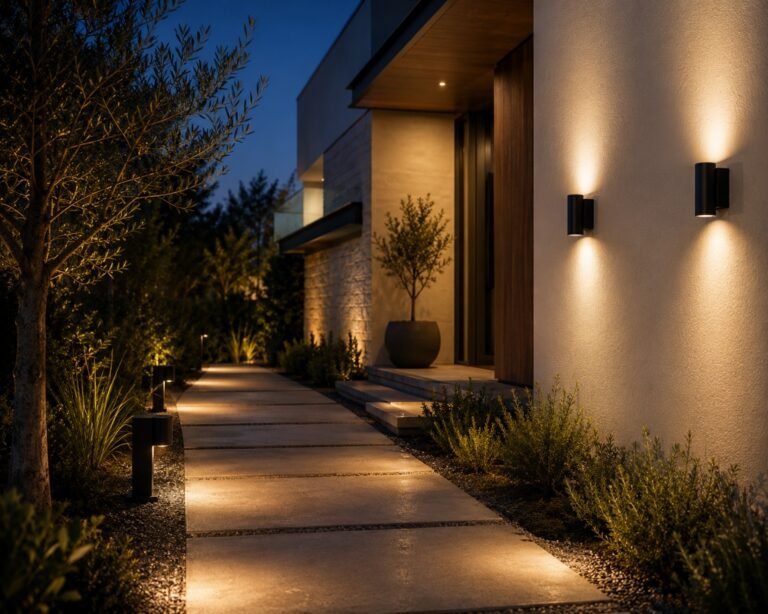
For outdoor pedestrian areas and building exteriors, Wall lights and Pathway lights improve visibility while adding character and definition to the surrounding architecture. Selecting fixtures with the appropriate IP protection helps ensure dependable operation against rain, dust, humidity, and changing outdoor weather conditions.
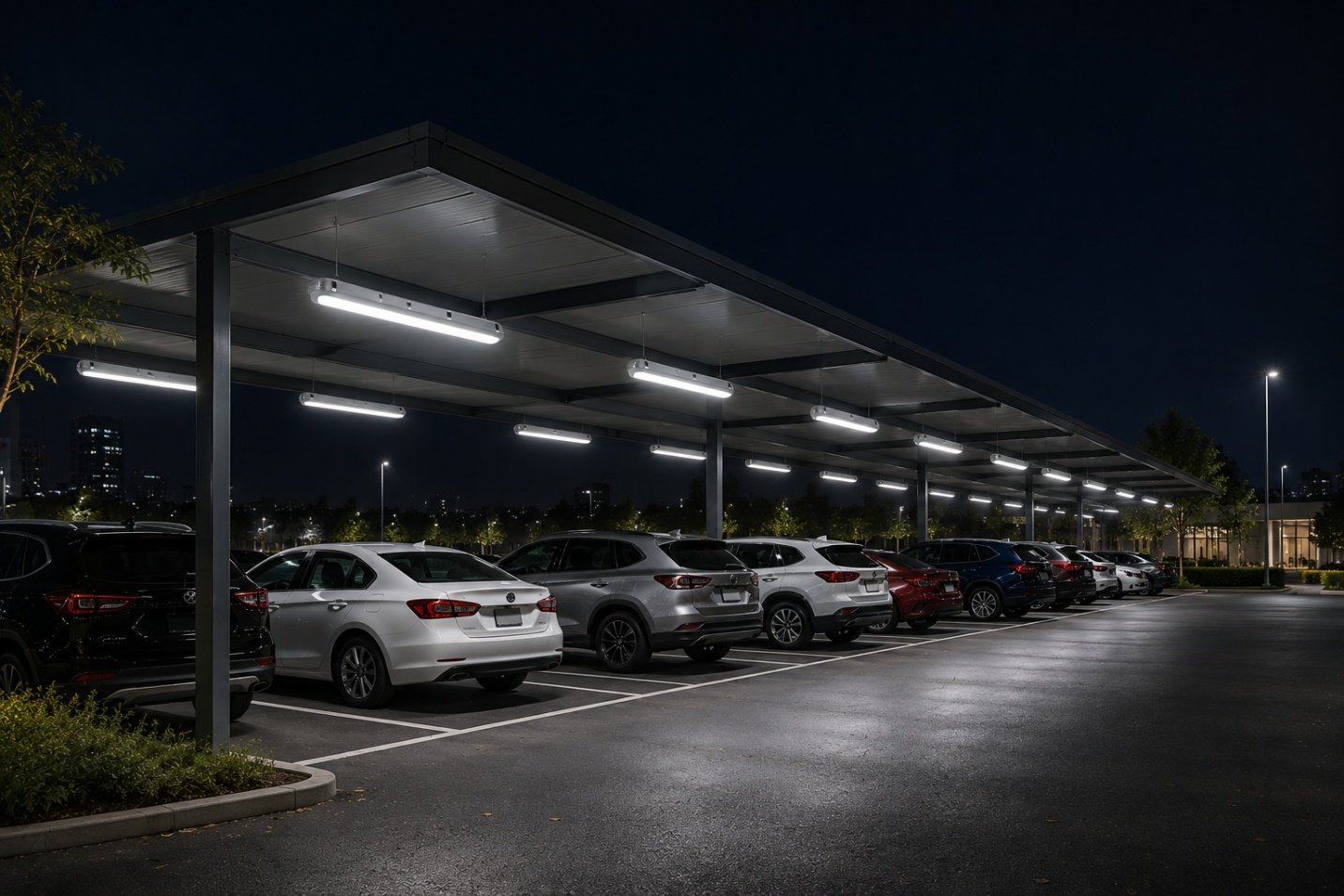
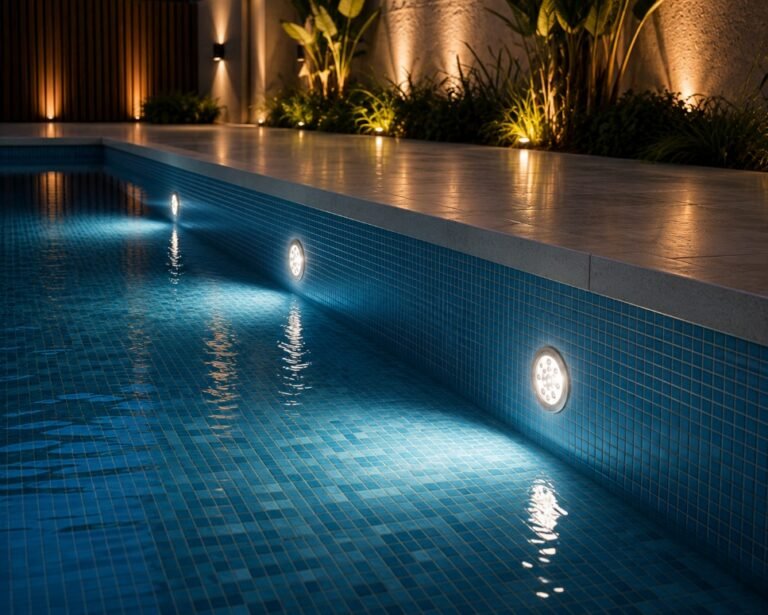
In larger outdoor and commercial environments, Parking lights, Street lights, and Inground lights are designed to provide dependable illumination in more demanding conditions. With suitable protection against environmental exposure, these fixtures help maintain safety, visibility, and consistent performance while supporting long-term outdoor use.
The ideal IP rating depends on the fixture’s location, installation method, and level of environmental exposure. A light installed beneath a covered area may require a lower degree of protection than a fixture positioned in an open outdoor space or in a location exposed directly to rain or water.
Understanding IP ratings makes it easier to select lighting that is suitable for its surroundings. Choosing the correct level of protection helps preserve fixture performance, improve safety, reduce the risk of environmental damage, and extend the service life of lighting solutions across both indoor and outdoor applications.