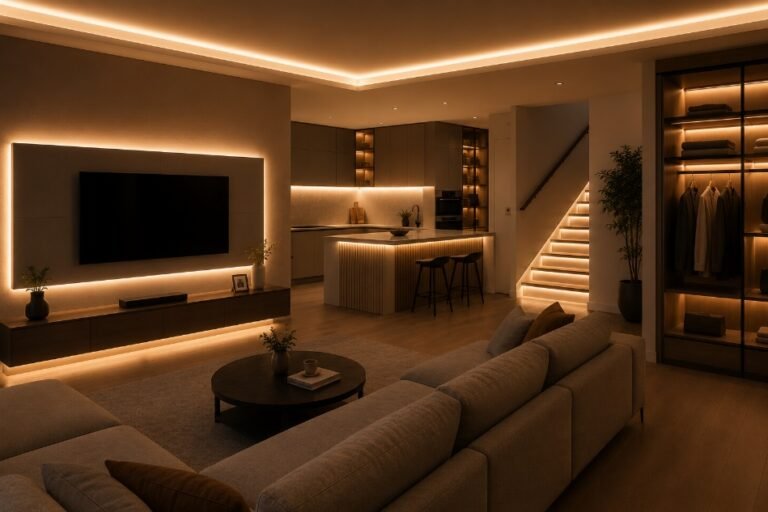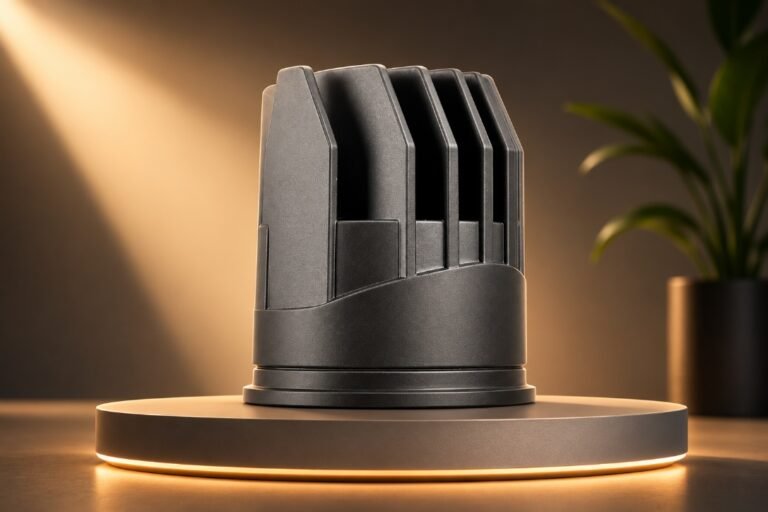
When choosing LED lighting, many people still compare fixtures based on wattage. With modern LED technology, however, lumens provide a much better indication of lighting performance. Watts measure how much electricity a light consumes, while lumens measure the amount of visible light it produces. This means two LED fixtures can use different amounts of power while delivering similar brightness. Comparing lumens instead of watts helps you choose lighting that provides the required illumination while using energy more efficiently.
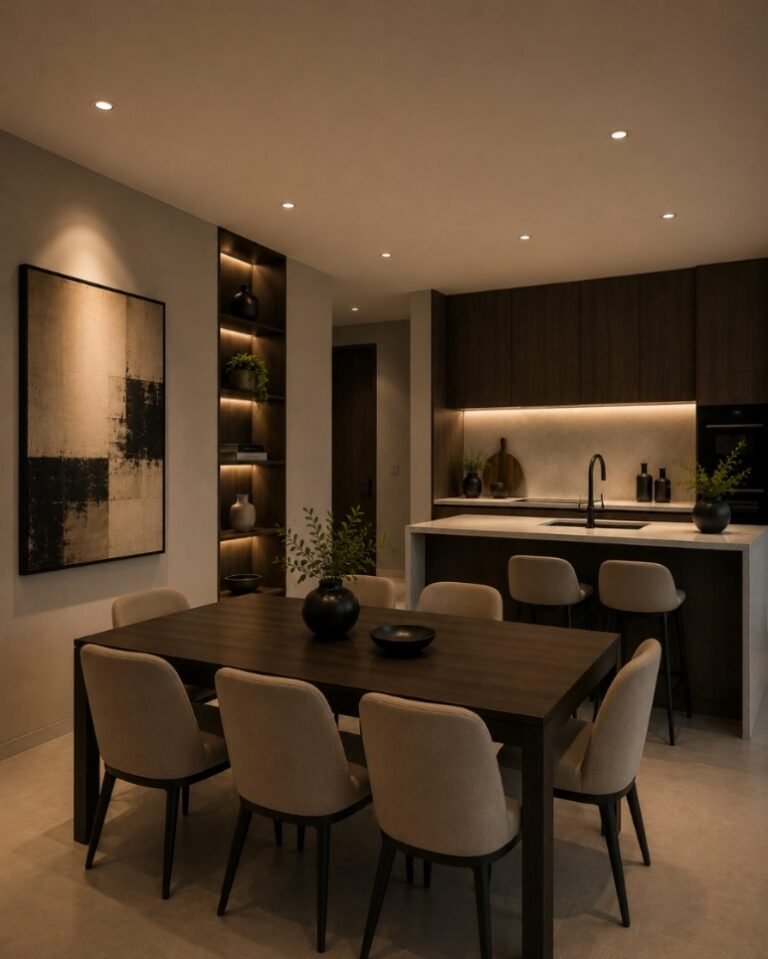
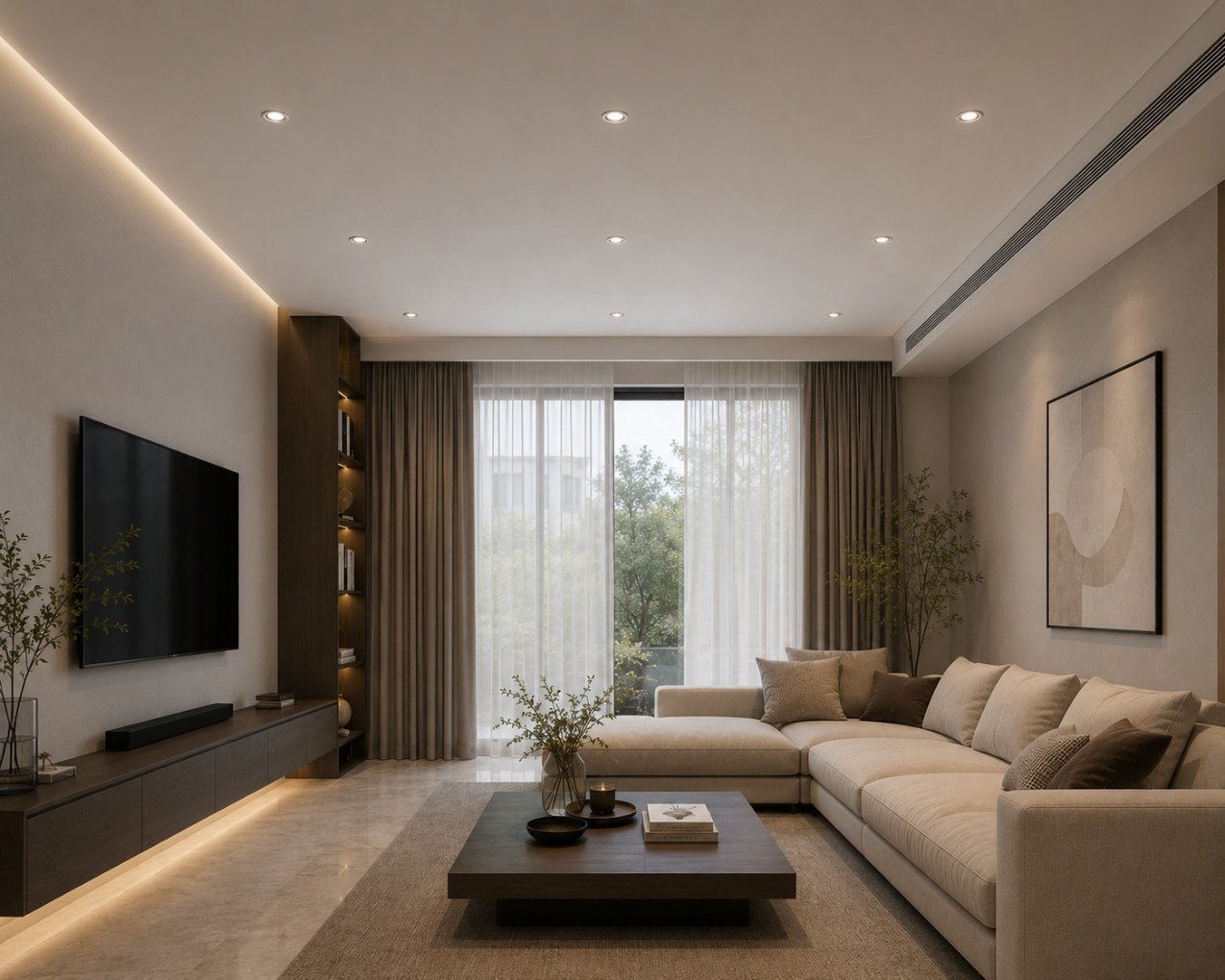
For general lighting applications, selecting the correct lumen output is essential for creating a comfortable and evenly illuminated environment. Recessed lights are widely used in homes, offices, hotels, and commercial interiors, where the right lumen level provides balanced ambient lighting without creating excessive brightness or unnecessary energy consumption.
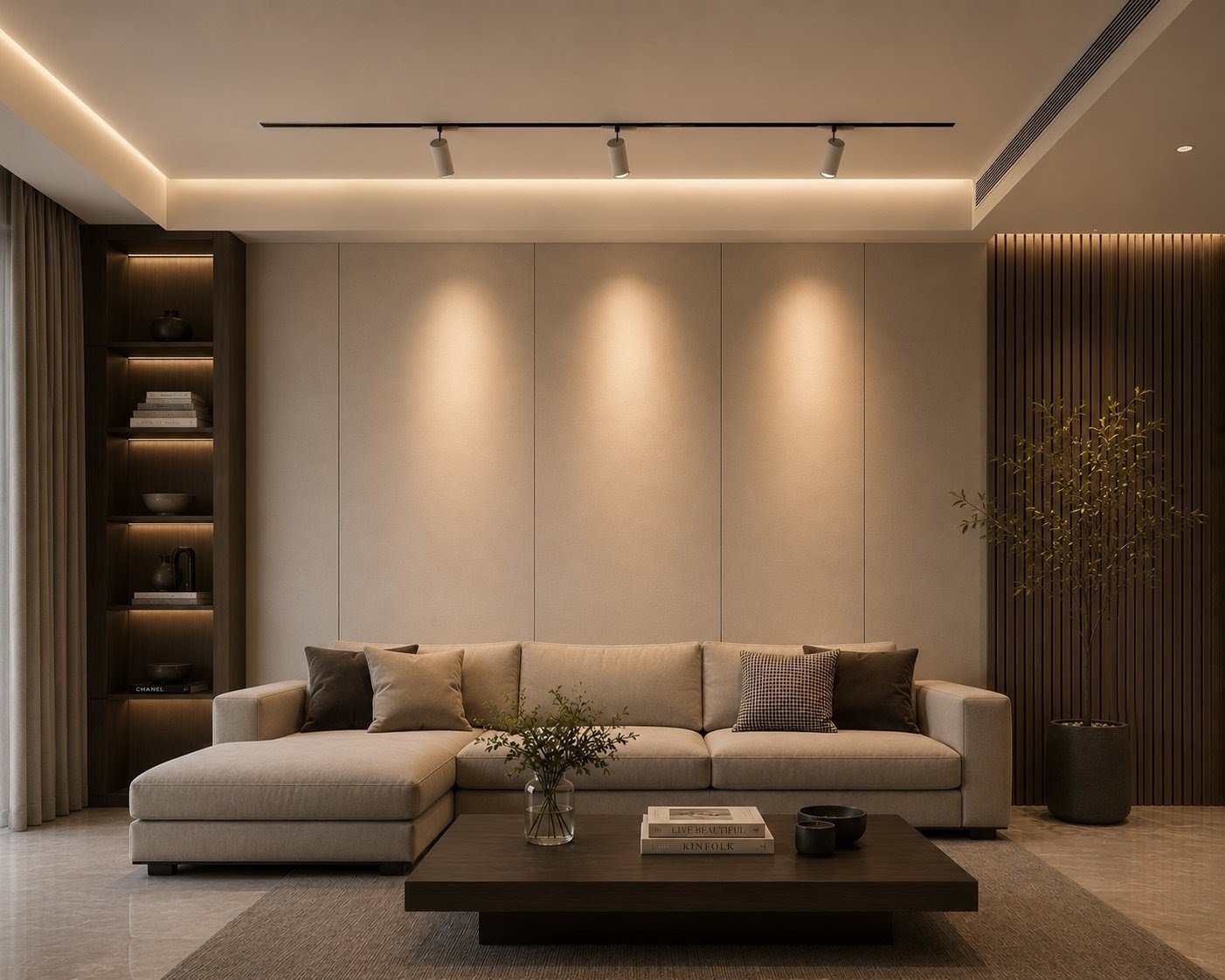
In spaces where lighting is used to highlight products, artwork, displays, or architectural details, the required brightness can vary depending on the application. Track lights allow illumination to be directed precisely where it is needed, while choosing the correct lumen output helps create effective accent lighting without compromising energy efficiency.
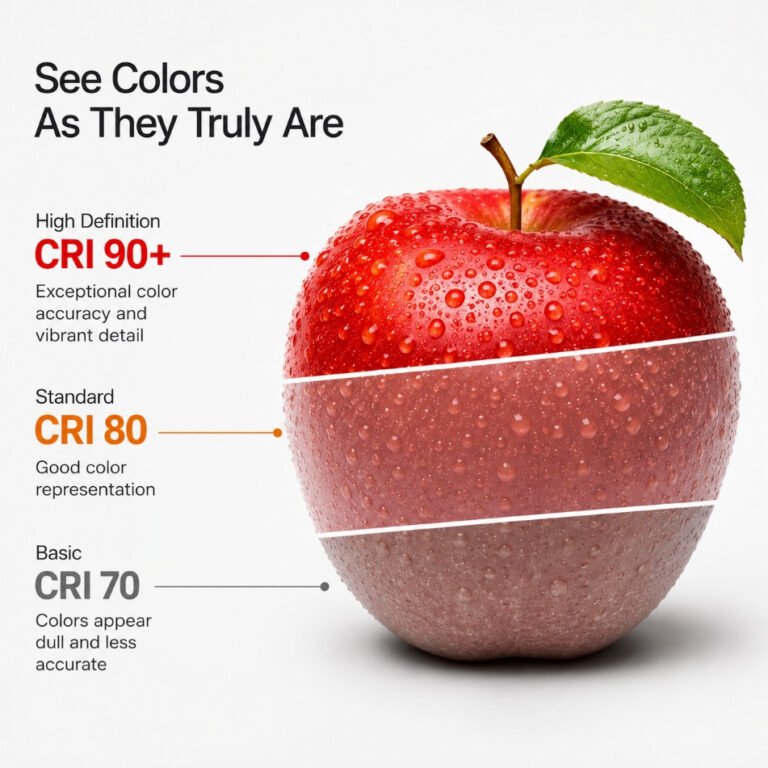
Alongside lumens, other important factors such as colour temperature, Colour Rendering Index (CRI), and beam angle should also be considered. Combining the right brightness with these lighting characteristics helps create an environment that is functional, visually comfortable, and suited to the specific needs of the space.
By understanding the difference between lumens and watts, you can make better lighting decisions and choose LED fixtures that deliver the right level of brightness, improved energy efficiency, and comfortable illumination for your space.