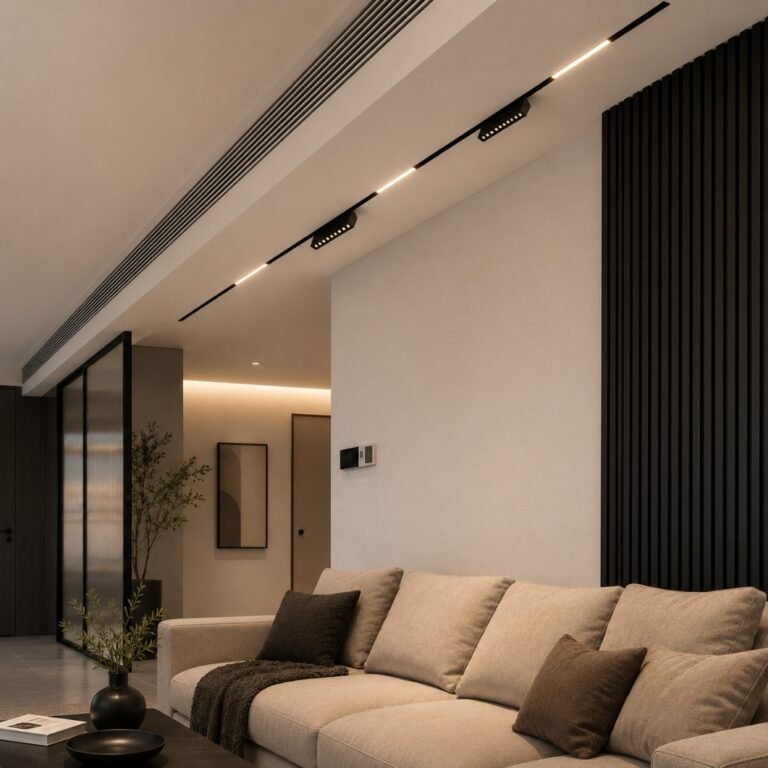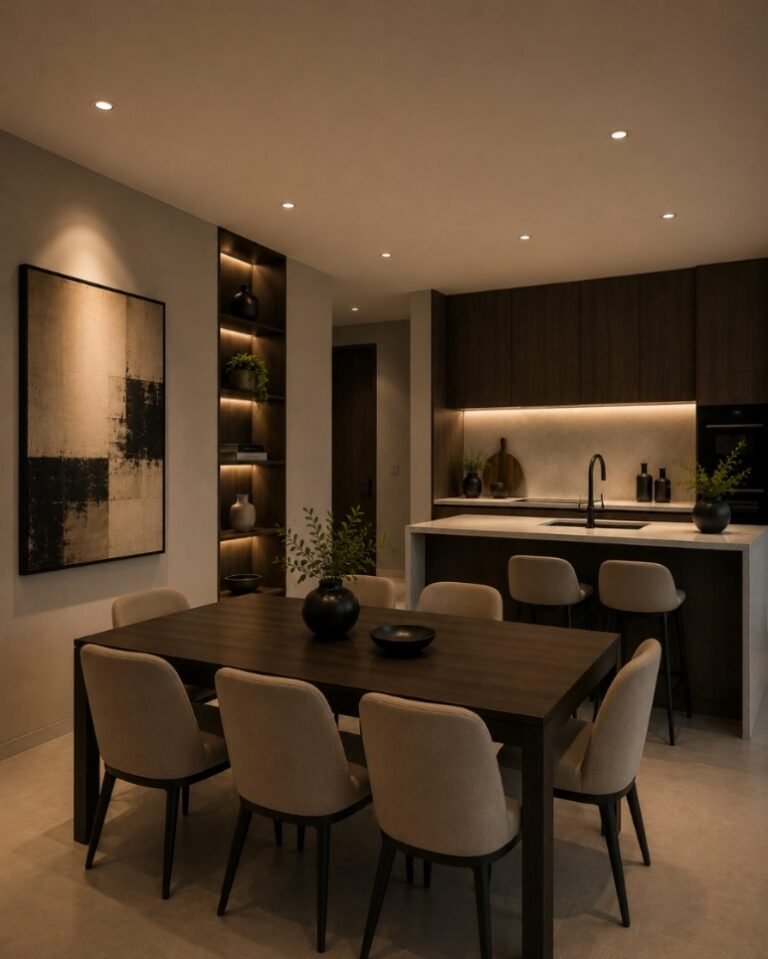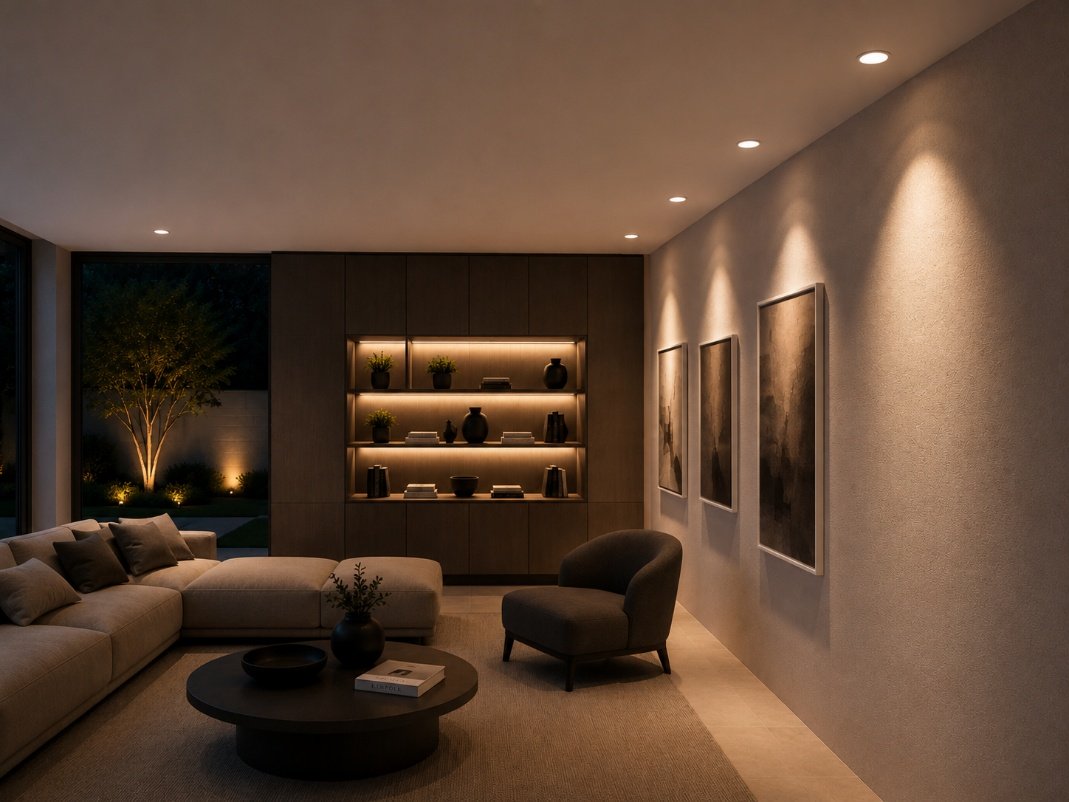
Both trimless lights and recessed lights are installed within the ceiling to create a clean, modern lighting effect. Unlike surface-mounted fixtures, they sit flush or partially recessed into the ceiling, helping reduce visual clutter while providing effective ambient or accent illumination. Both options are widely used in residential, commercial, hospitality, and retail interiors where a refined ceiling design is preferred.
The main difference between the two lies in their visible finish. Recessed lights feature a defined trim or bezel around the fixture, neatly covering the ceiling cut-out and creating a clean, finished appearance. In contrast, trimless lights are integrated into the ceiling during installation so that no visible frame remains once completed. This seamless effect makes trimless lighting especially suitable for minimalist, contemporary, and architectural interiors.
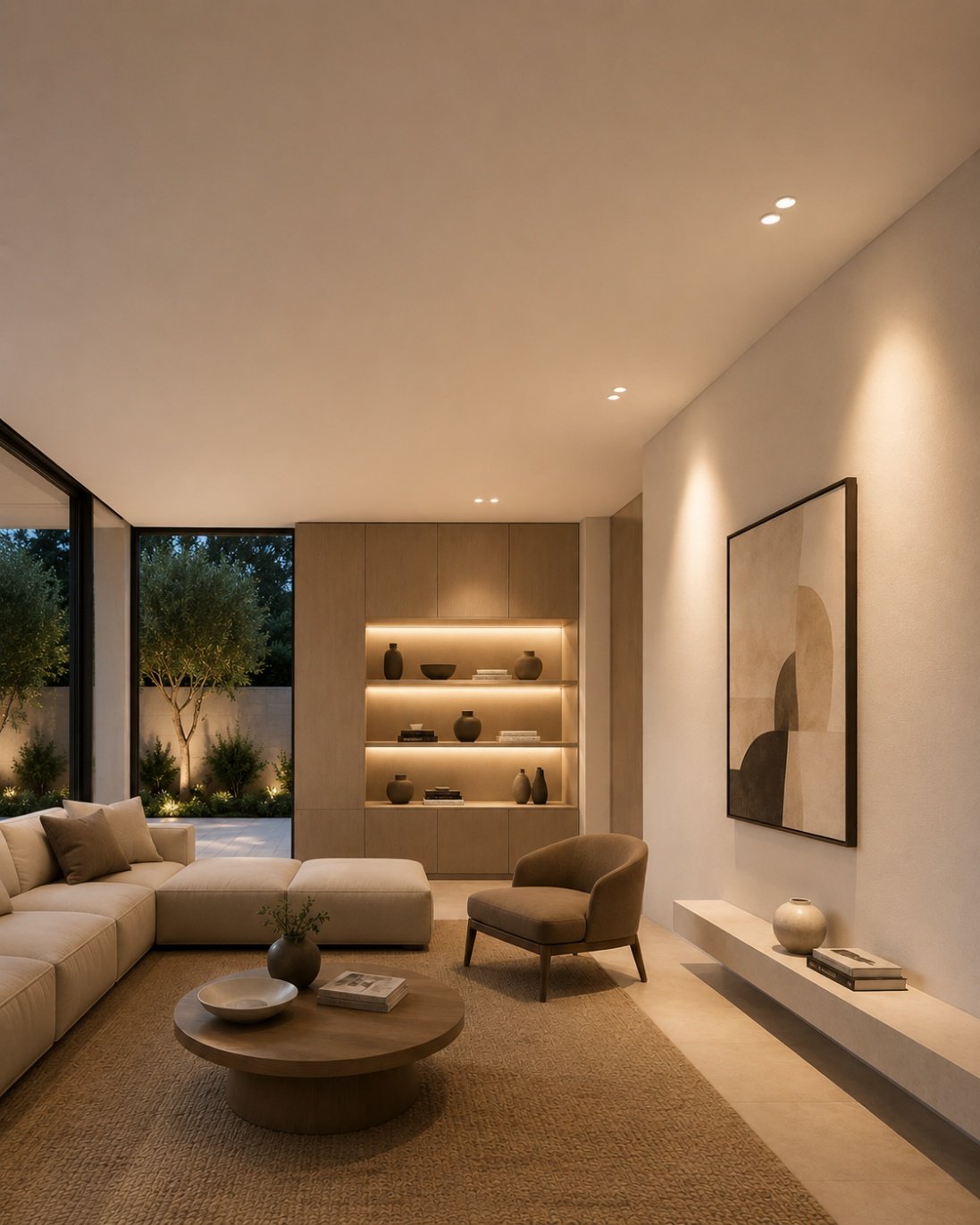
The best choice depends on the design style of the project and its installation requirements. Recessed lights are generally easier to install, access, and maintain, making them suitable for both new developments and renovation projects. Trimless lights require more planning during the ceiling construction stage but deliver a seamless, premium finish that blends naturally into the architecture.
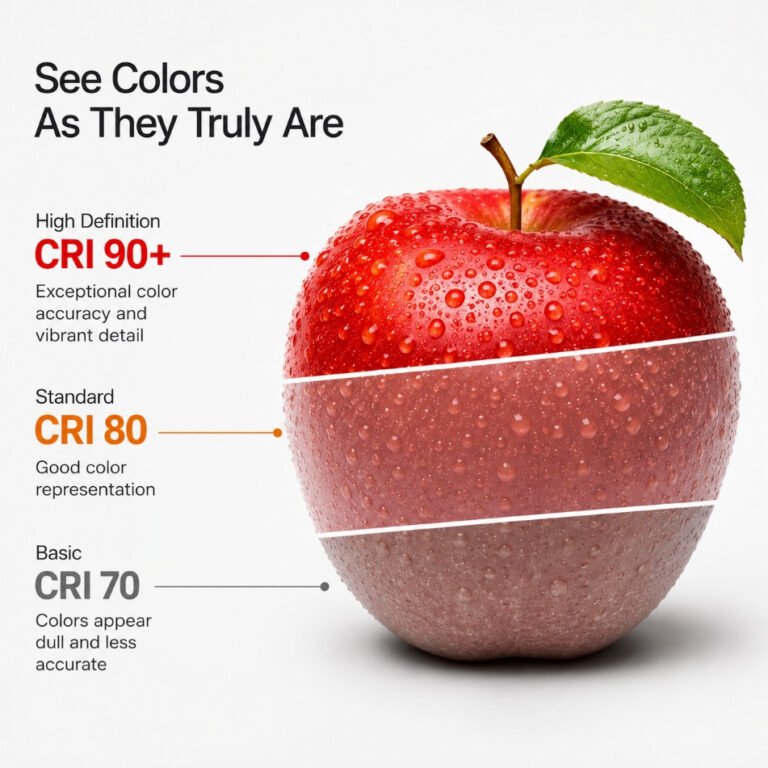
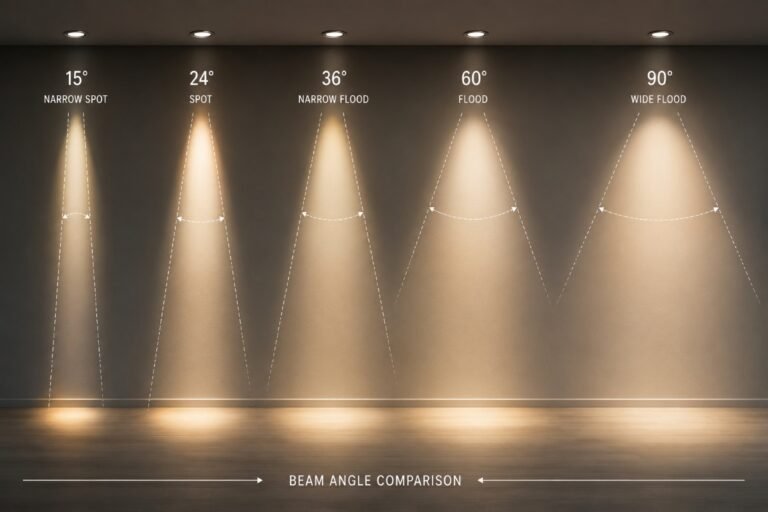
Regardless of the chosen style, important lighting factors such as beam angle, colour temperature, and Colour Rendering Index (CRI) should also be considered. Selecting the right combination ensures the lighting not only complements the ceiling design but also improves visual comfort, functionality, and the overall atmosphere of the space.